WASHINGTON — U.S. forces on Friday conducted six airstrikes against an ISIS desert camp 150 miles outside the Libyan city of Sirte, according to a statement from U.S. Africa Command.
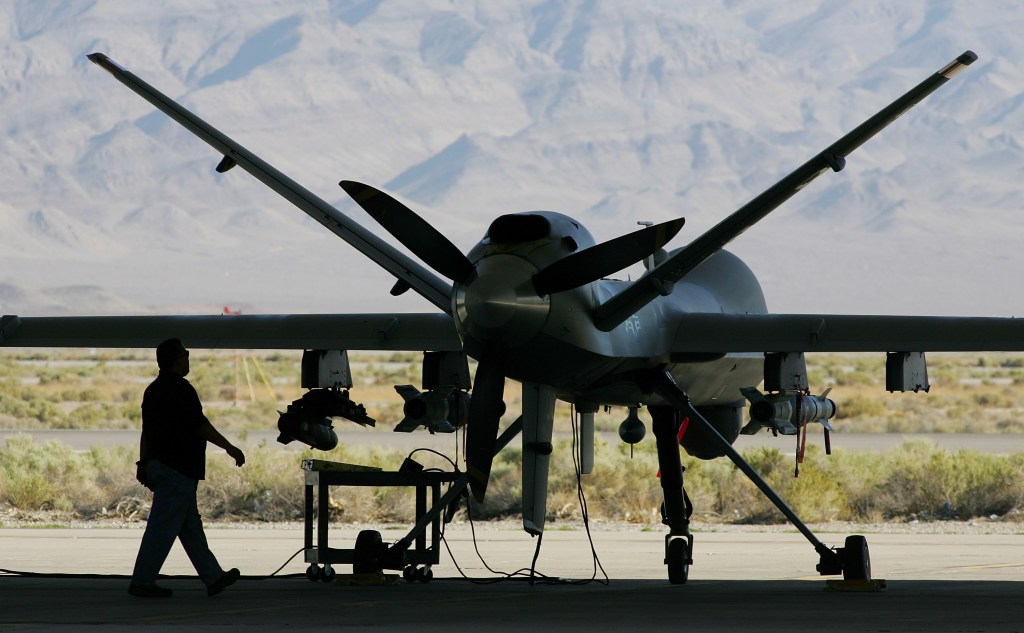
The strikes killed 17 ISIS fighters and destroyed three tactical vehicles, according to the statement. The aircraft involved in the strike was unmanned, according to Samantha Reho, a spokesperson with AFRICOM.
“The camp was used by ISIS to move fighters in and out of the country; stockpile weapons and equipment; and to plot and conduct attacks,” AFRICOM said.
According to officials at AFRICOM, al-Qaida and ISIS terrorists have attempted to take advantage of “ungoverned spaces” in the war-torn region.
Since the fall of Moammar Gadhafi’s regime in 2011, Libya has been torn apart by internal fighting.
Forces loyal to Gen. Khalifa Haftar control vast territory on the Libyan coast, mainly centered in Benghazi and Tobruk, according to a report from Al Jazeera.
Haftar’s forces have been in opposition to the United Nations-backed national unity government led by Prime Minister Fayez al-Sarraj, whose power is concentrated in Sirte, Misrata, and Tripoli.
The resulting tumult has created a power vacuum filled by terrorist groups like al-Qaida and ISIS.
“While Libya has made considerable progress against ISIS, most notably by dislodging ISIS fighters from Sirte last year, the terrorists have tried to take advantage of political instability there to create safe havens in parts of the country,” according to AFRICOM.
U.S.-led efforts as part of Operation Odyssey Lightning dislodged ISIS militants from Sirte back in December. Backed by U.S. airpower, ground forces loyal to the UN-backed government stormed the city, according to the Guardian.
However, ISIS and al-Qaida remnants are still operating in Libya.
Friday’s airstrikes were reminiscent of attacks carried out by American B-2 bombers in January. In that operation, U.S. warplanes dropped nearly 100 munitions on an ISIS camps outside of Sirte, killing nearly 100 militants, according to an ABC News report.
“The United States will track and hunt these terrorists, degrade their capabilities, and disrupt their planning and operations by all appropriate, lawful, and proportional means, including precision strikes against their forces, terror training camps and lines of communication, as well as partnering with Libyan forces to deny safe havens for terrorists in Libya,” AFRICOM said.
Friday’s strikes were carried out in “coordination with Libya’s Government of National Accord and aligned forces,” according to the statement from AFRICOM.
* This article has been updated to note that the aircraft involved in the airstrike in Libya was unmanned.