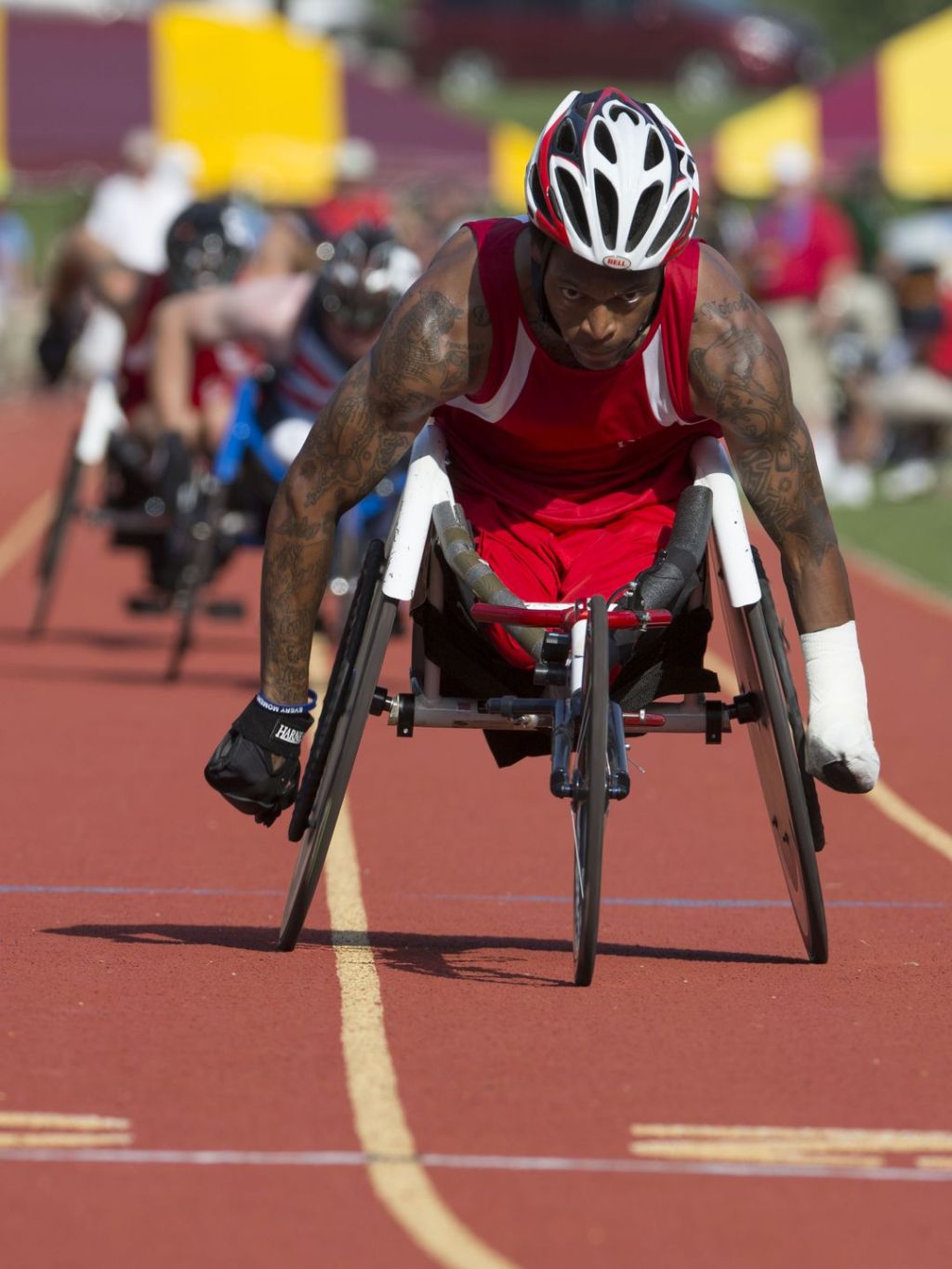
The Warrior Games won’t have the pomp, royal star power or national TV audience garnered by the Invictus Games that wrapped up last week, but organizers have tweaked the competition to benefit the competition’s true target demographic – the athletes and their supporters.
“As we create these things, we forget who the audience is,” said Col. Chris Toner, head of Army Warrior Transition Command and of the competition’s task force, who has led planning efforts for the June 15-21 event at the U.S. Military Academy.
It’s the first Warrior Games hosted by a service academy and only the second run by the Defense Department – the U.S. Olympic Committee ran the event starting in 2010, and the Marine Corps hosted last year in Quantico, Virginia.
West Point has “rolled out the red carpet, laid everything out for us, given us the keys to the facility, given us access to their subject-matter experts, have been a key component in advising us on the execution in creating what I would consider a world-class, Olympic-type environment for the athletes and their family members,” Toner said.
About 250 athletes — active, former and retired U.S. service members from all branches, as well as a team from the United Kingdom — will descend on a campus during what’s usually a slow-traffic time on the school’s calendar. While their classmates spread to the winds after final exams, 28 West Point cadets will assist with the competition, serving as liaisons to the athletes and in other support roles.
“They didn’t have to assign anybody to it: They all volunteered because they saw an opportunity to give back to people who have given so much already,” said Lt. Col. John Nawoichyk, West Point’s G3 plans officer. “It really is [an example of] a culture of winning spirit that we’re teaching the cadets. That’s the constant theme.”
Among the highlights for competitors and visitors:
- The U.S. Military Academy Preparatory School will serve as a quasi-Olympic village, hosting athletes, families and caregivers. The move allows for a communal atmosphere among competitors and takes advantage of the more modern buildings that make up USMAPS, which provide greater accessibility than other structures that date back centuries.
- Medal ceremonies will take place in historic Eisenhower Hall instead of sandwiched between heats or tacked onto the end of the event schedule. Toner said the atmosphere will create a “professionally run, Olympic-type moment for athletes and their families.”
- Event scheduling will maximize athlete performance, Toner said, allowing those who participate in multiple events time to recover. The events will cover eight concentrations (track, field, swimming, seated volleyball, wheelchair basketball, archery, shooting and cycling) and will follow Paralympic guidelines on athlete placement, grouping those with similar abilities in separate events. The compressed Invictus timeline didn’t always allow that, Toner said.
Organizers won’t ditch all the pomp, either – Toner would not reveal names but said “A-list celebrities” would be on hand. The Army Golden Knights parachute team will participate in opening ceremonies, he said, and the closing ceremonies, held after the basketball gold-medal game, will offer athletes and family members choice seats to a concert and massive barbecue.
“We love Warrior Games from the standpoint of, it’s really an intimate experience between the services,” Toner said. “It allows us to get a close and personal interaction.”