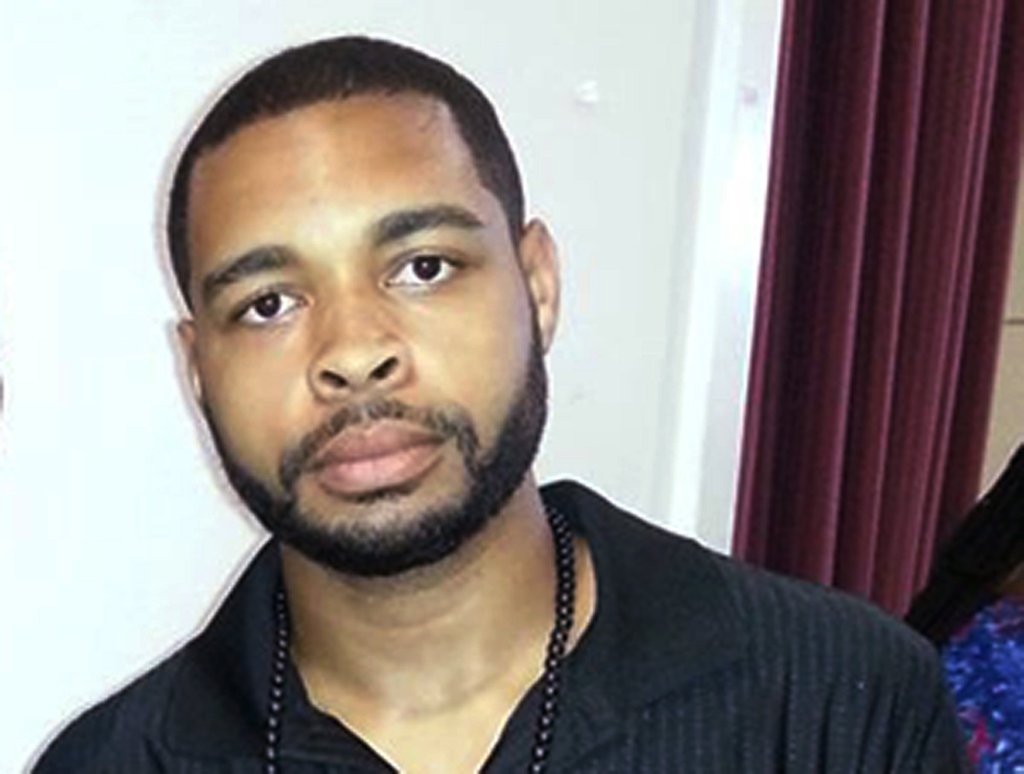
A sergeant who supervised Micah Johnson, the man who killed five
The report, finished in May 2014, was conducted after a female soldier complained that Johnson had sexually harassed her while they were stationed in Afghanistan and that he had stolen her underwear. Johnson knew the woman for years, and during a disagreement she recalled that he punched his hand through a car window and cut himself so badly he need to be taken to a hospital.
“The [first sergeant] told me we needed to separate” Johnson and the female soldier “as soon as possible,” the report said. “I asked if for safety reasons we should relieve [PFC] Johnson of his firearm and any bladed weapons in his possession. The [first sergeant] said that was a good idea so I had [redacted] retrieve all weapons.”
Johnson killed five Dallas police officers July 7 as the police were providing security for a demonstration against police violence. Local police used a robot armed with a bomb to kill Johnson.
Johnson had been sent back to the U.S. following the incident in Afghanistan and given a less than honorable discharge.
Investigators wrote that they also inspected Johnson’s personal belongings on May 18, 2014, and found an M169 grenade round and a plastic bag filled with prescription medicine belonging to another soldier.
The report also found that Johnson had sexually harassed the woman, who told Army investigators that they had been friends for five years. In a sworn statement, she wrote that they had been platonic friends for five years, and that they had had “fights and disagreements in the past.
“In once such incident, PFC Johnson had gotten quite upset over my leaving for college [six hours away] and punched his hand through a car window, severing an artery and having me bring him to the hospital because of blood loss.”
Report shows that Army took away gun from Dallas cop shooter Micah Johnson